
Causes and Symptoms of Neck Pain

Neck pain affects your comfort, mobility, and ability to complete everyday activities. It may develop gradually or begin suddenly after an injury, awkward movement, or a long period of poor posture. The neck contains muscles, joints, and spinal structures that work together to support your head and allow movement. When these tissues become irritated or injured, turning your head may become difficult. Symptoms can include stiffness, reduced mobility, and pain that spreads into the shoulders or upper back. 

Several conditions can contribute to neck pain. Neck strain occurs when muscles or tendons stretch too far, often because of sudden movement, heavy lifting, or prolonged screen use. Muscle pain may feel dull and persistent, while muscle spasms cause sudden, involuntary tightening that limits movement. Nerve compression develops when surrounding structures place pressure on a nerve. This can result in numbness, weakness, or pain that travels down an arm. Diseases affecting the spinal cord, including cervical spinal stenosis and certain inflammatory conditions, may also produce neck discomfort. These problems require careful evaluation because they affect nerve function.


Risk factors include poor posture, repetitive movements, and age-related changes in the spine. Previous neck injuries may also be a factor. Stress may contribute to muscle tension, while prolonged computer use can strain the neck and shoulders. Headaches related to neck problems, sometimes called cervicogenic headaches, may begin near the base of the skull and spread toward the forehead. A clinician reviews your symptoms, medical history, and daily activities before performing an examination of neck movement, muscle tenderness, and nerve function.


Treatment depends on the underlying cause and severity of the pain. A clinician may recommend spinal decompression therapy when appropriate, gentle mobility exercises, or other conservative treatments to improve comfort and movement. Advice about posture, workstation setup, and activity changes can help reduce repeated strain. If you have neck pain, it is suggested that you consult a clinician for an accurate diagnosis and appropriate treatment.

Neck pain is a prevalent issue affecting countless individuals, resulting in discomfort, reduced mobility, and difficulty performing daily tasks. Persistent neck pain can significantly diminish one's quality of life, making it essential to find effective management strategies. Non-invasive treatments, such as spinal decompression therapy, may help relieve certain types of neck pain, restore movement, and improve overall neck function.

Spinal decompression therapy is designed to gently stretch the spine, potentially reducing pressure on affected discs and nerves. By relieving pressure on spinal structures, this treatment may help alleviate pain and stiffness while supporting improved mobility and comfort.

In addition to spinal decompression therapy, clinicians may recommend tailored exercises and stretches designed to strengthen the neck and upper back muscles, improving posture and reducing strain. They may also provide guidance on lifestyle modifications, including ergonomic workplace adjustments and sleep positioning, to further support long-term neck health.

If you have any questions please feel free to contact our office located in Roanoke, VA . 
 

Read more about Neck Pain

When Every Step Becomes Uncomfortable

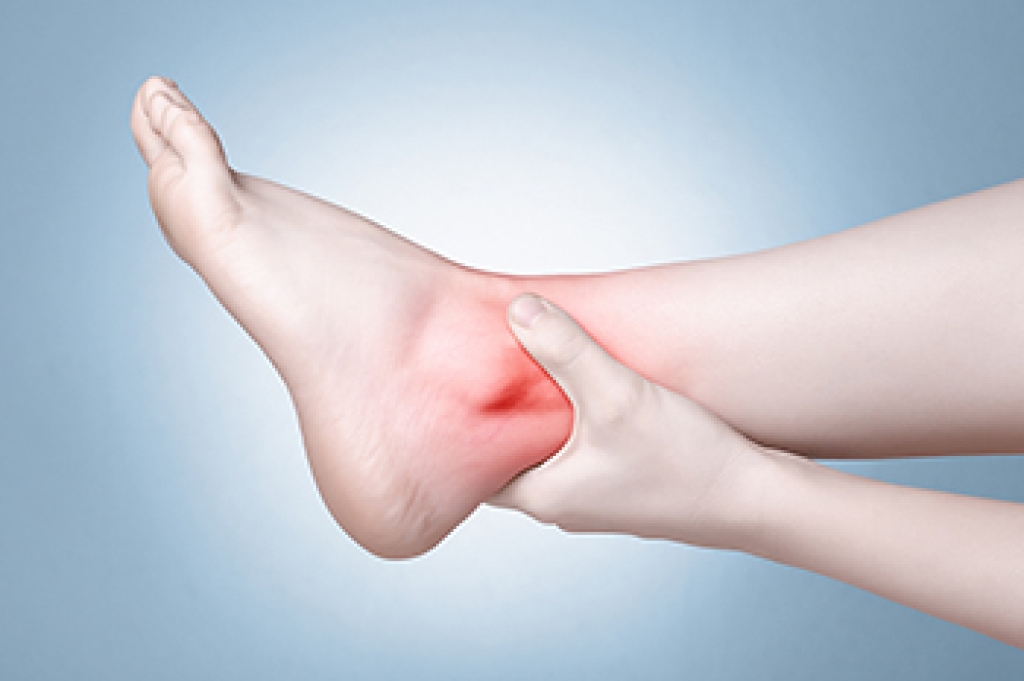
Ankle pain can make standing, walking, and other daily activities uncomfortable. The ankle is a complex joint made up of bones, muscles, and supporting tissues that work together to provide movement and stability. Pain can develop after an injury or from repeated stress on the ankle. A sprain is one possible cause and occurs when the strong bands of tissue supporting a joint are stretched or injured. Symptoms can include pain, swelling, and stiffness. These problems can make it difficult to place weight on the affected foot or move the ankle normally.

Pain can also come from tendons, which are strong tissues that connect muscles to bones. The Achilles tendon connects the calf muscles to the heel and helps the foot push off the ground. Problems with this tendon can cause pain near the back of the ankle or heel. Some ankle conditions develop without a clear injury. Pain can also be linked to changes in joint movement or irritation of nearby tissues. The location of the pain, how it started, and which movements make it worse can help identify the possible cause.

A clinician can evaluate ankle movement, joint function, and the way a patient stands or walks. The examination can also assess nearby areas because foot, knee, or leg mechanics can affect stress on the ankle. Treatment can include gentle joint-mobilization techniques to improve movement. Care can also include soft-tissue techniques and guided exercises designed to support strength and mobility. Treatment depends on the cause of the pain and how much ankle function is affected. A careful evaluation can help determine an appropriate approach to care. If you have ankle pain, it is suggested that you schedule an appointment with a clinician for a diagnosis and appropriate treatment.

Ankle pain is a common problem that can significantly disrupt daily life, often stemming from injuries, overuse, or underlying conditions like arthritis. Sprains, where ligaments are overstretched or torn, are among the most frequent causes, leading to swelling, stiffness, and difficulty bearing weight. Overuse injuries such as tendonitis, caused by repetitive strain, can create persistent discomfort, while misalignment in the joint or biomechanical imbalances in the foot or leg may contribute to chronic pain.

If left untreated, these issues can lead to improper healing, reduced mobility, and a higher risk of re-injury.

Addressing the underlying cause is critical for restoring function and preventing long-term complications. Conservative care offers a natural approach to managing ankle pain, focusing on improving alignment, mobility, and overall function while supporting recovery through targeted therapies and exercises.

1. Will treatment for ankle pain hurt?

Treatments are designed to be gentle and tailored to each patient's comfort level. Adjustments and therapies are performed carefully to avoid causing pain, even in sensitive or swollen areas. Many patients report feeling relief and improved mobility after treatment, although some individuals may experience mild soreness, similar to the feeling after a workout, as the body adjusts.

2. How long does it take to see results from treatment for ankle pain?

The timeline for improvement varies depending on the severity and cause of the pain. Some patients experience relief after just a few sessions, while chronic or complex cases may take longer to resolve.


If you have any questions, please feel free to contact our office located in Roanoke, VA . 

Read more about Ankle Pain

Understanding Herniated Discs and Treatment Options

A herniated disc can cause pain that affects the neck, back, arms, or legs, depending on where the problem develops in the spine. The discs are soft cushions between the bones of the spine that absorb shock and support smooth movement. A herniated disc develops when the tough outer layer tears and the soft center pushes through the opening. This can place pressure on nearby nerves and create pain, numbness, tingling, or muscle weakness. Some people feel discomfort only in the back or neck, while others notice pain that travels into an arm or leg. Symptoms can range from mild to severe and can interfere with work, exercise, and everyday activities.

A clinician performs a thorough examination to determine how the herniated disc is affecting spinal movement and nerve function. The evaluation includes checking posture, flexibility, joint motion, muscle strength, and reflexes. These findings help identify the source of pain and guide an appropriate treatment plan. Treatment may include gentle spinal adjustments when appropriate, soft-tissue therapy, and exercises that improve strength and flexibility. Treatment focuses on restoring healthier movement while reducing stress on the spine and surrounding tissues. A clinician also evaluates body mechanics because poor movement patterns can increase strain on the spine and contribute to ongoing discomfort.

Research shows that many people with a herniated disc improve without surgery when they receive appropriate non-surgical treatment. A careful physical examination, combined with a detailed medical history, helps determine the best approach for each patient. Treatment aims to improve spinal mobility, reduce pressure on affected joints, and support healthier movement throughout the body. Better spinal function can reduce stress on nearby muscles and help patients return to daily activities with greater comfort. Regular evaluations help monitor progress and guide changes in treatment based on the patient's condition. If you have symptoms of a herniated disc, it is suggested that you make an appointment with a clinician for an evaluation and appropriate treatment.

Bulging and herniated discs are common spinal conditions that can lead to persistent pain, discomfort, and limited mobility. A disc bulge occurs when the outer layer of the spinal disc begins to protrude, while a herniated disc involves a tear in the outer layer that allows inner disc material to push through. Both conditions can irritate or compress nearby nerves, resulting in pain, tingling, numbness, and muscle weakness that can affect the back, legs, and even arms.

Treatment for disc bulges and herniations focuses on reducing pressure on the spinal nerves and improving spinal function. Clinicians may employ gentle, targeted adjustments designed to improve spinal mechanics and relieve discomfort. By addressing restrictions in spinal movement, treatment may help reduce pain and support the body's natural recovery processes. This approach aims to relieve symptoms without invasive procedures or relying solely on medication.

For many patients, complementary therapies like spinal decompression, therapeutic exercises, and lifestyle guidance support long-term relief and function. Non-surgical treatment offers an approach to managing disc issues, focusing on enhancing overall spinal health and reducing the likelihood of recurring symptoms. Each treatment plan is tailored to the patient's specific needs and goals, providing an individualized approach.

1. Is treatment safe for herniated discs?

Non-surgical treatment can be appropriate for many patients with herniated discs when performed by a licensed clinician who carefully evaluates the condition. Gentle techniques may be used when appropriate, although certain adjustments may not be suitable for every patient.

2. How long does it take to see improvement?

Improvement times vary, but many patients notice reduced pain and better mobility within a few weeks of consistent treatment, depending on the disc's severity and other factors.

If you have any questions, please feel free to contact Elevate Health Roanoke in Roanoke, VA. 

Read more about Bulging and Herniated Discs